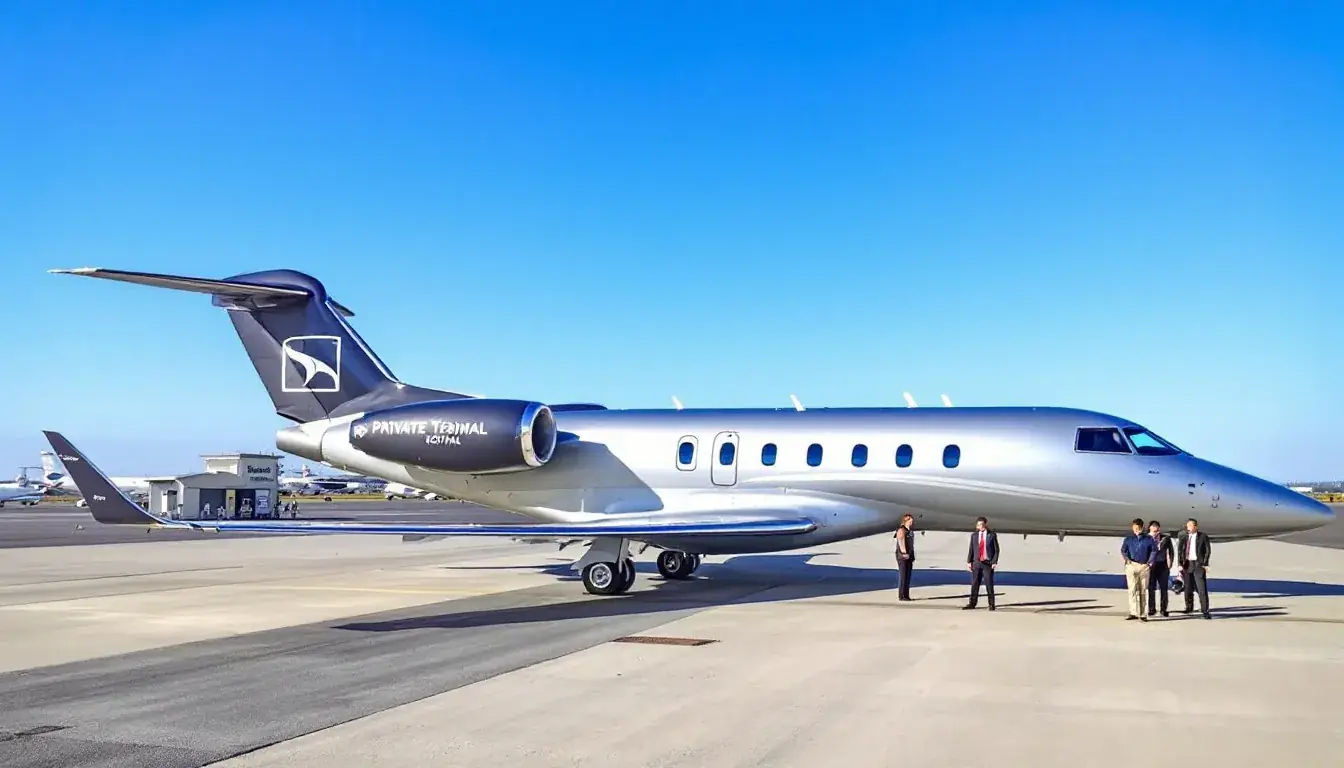
Luxury Private Jet Vacations United States: Planning & Logistics
Private aviation has evolved from an exclusive corporate utility into a fundamental component of high-end leisure travel across North America. When travelers evaluate luxury private jet vacations united states, they enter a complex ecosystem governed by FAA operational regulations, dynamic charter pricing, spatial infrastructure limitations, and seasonal airspace congestion. Designing a seamless itinerary requires aligning aircraft performance capabilities with airport infrastructure, ground handling logistics, and regional atmospheric conditions.
The appeal of private leisure flights stems primarily from time efficiency, privacy, and direct access to regional airfields that commercial carriers cannot serve. A non-scheduled charter flight eliminates the friction of major hub terminals, security lines, and multi-leg layovers. However, executing a multi-destination itinerary involves subtle trade-offs regarding payload restrictions, fuel stops, and repositioning costs. Understanding these variables transforms private aviation from an unpredictable expense into a precise, highly managed logistical asset.
This article provides an analytical, objective framework for planning and evaluating luxury private jet vacations united states. It examines aircraft categorization, financial dynamics, operational risk management, and the decision logic required to structure bespoke domestic travel. By addressing both the advantages and the operational constraints of private charters, this reference serves as an exhaustive operational guide for prospective charterers, family offices, and luxury travel managers.
Understanding Luxury Private Jet Vacations United States
The phrase luxury private jet vacations united states describes customized, non-scheduled air travel designed for leisure journeys within domestic airspace. It encompasses the integration of private air charter, fixed-base operator (FBO) ground services, high-end accommodations, and localized transfers. While marketing narratives emphasize effortless comfort, the practical reality depends on strict regulatory standards under 14 CFR Part 135, which governs commercial charter operations.
A common misunderstanding is that private jet travel functions like an on-demand taxi service with unlimited destination access. In practice, operational limitations such as runway length, weight limits, and curfew restrictions dictate where an aircraft can land. For example, high-altitude airports like Aspen (ASE) or Telluride (TEX) place strict limits on aircraft weight and require specific crew qualifications. Consequently, chartering an unsuitable aircraft class can lead to unexpected fuel stops or diverted landings.
Operational Complexities and Misconceptions
Oversimplifying private jet travel often causes friction between client expectations and operational realities. Passengers frequently assume that larger aircraft are always superior, ignoring the fact that heavy jets cannot access shorter regional runways. Conversely, selecting a light jet for a transcontinental route can require mid-journey refuels, lengthening total travel time beyond that of a commercial flight.
Another misconception involves weather resilience. While private aircraft operate at higher altitudes than commercial airliners, they remain subject to the same air traffic control (ATC) ground stops, de-icing protocols, and severe weather delays. Planning a successful trip requires evaluating aircraft capabilities alongside the logistical constraints of target airports.
Deep Contextual Background
Private aviation in the United States developed rapidly alongside post-WWII civil aviation advancements and expanded exponentially following the Airline Deregulation Act of 1978. As commercial air carriers consolidated operations around hub-and-spoke models, secondary and tertiary markets experienced reduced direct service. This structural shift created high demand for point-to-point non-scheduled air transportation, leading to the growth of regional airport infrastructure supported by municipal authorities and federal funding.
The introduction of fractional ownership programs in the late 1980s further democratized access to non-scheduled flights. By allowing individuals and corporations to purchase fractional shares of an aircraft, operators expanded fleet utilization and stabilized operational overhead. Over time, this business model expanded to include jet cards, digital charter brokerages, and dynamic dynamic-pricing platforms. Today, the U.S. features over 5,000 public-use airfields, compared to roughly 500 commercial airports, making it the world’s largest market for luxury private jet vacations united states.
Conceptual Frameworks and Mental Models
To navigate the logistics of private air travel, consumers and travel planners can apply specific analytical frameworks. These mental models help balance luxury, cost, speed, and operational safety.
The Access-Versus-Cabin Balance Model
This framework weighs cabin comfort and payload capacity against airport accessibility. Larger aircraft offer spacious cabins, fully flat berths, and extended range, but require longer runways and larger ramp footprints. Smaller aircraft can access short, remote runways closer to final destinations, but offer limited cabin movement and lower payload capacity.
The Total-Time-In-Transit Equation
Evaluating private aviation solely by flight speed overlooks total travel time. This framework accounts for door-to-door transit, including ground transfers, FBO processing, potential refuel stops, and air traffic delays.
A faster aircraft requiring a fuel stop due to range limits often yields a longer total transit time than a slower aircraft capable of flying non-stop.
The Operational Contingency Matrix
This model evaluates potential single-point failures in an itinerary, such as mechanical delays, crew duty-limit expirations, or localized weather events. It forces planners to establish secondary landing options, backup aircraft availability, and flexible ground transportation before departure.
Key Categories and Aircraft Trade-Offs
Selecting the correct aircraft category is the most important operational decision when arranging luxury private jet vacations united states. Each category balances range, seating capacity, baggage volume, and airfield performance differently.
Very Light Jets (VLJs) and Light Jets
Light aircraft are designed for short-to-medium regional routes, carrying four to seven passengers. They operate efficiently on short runways, providing access to mountain airfields and island airstrips. However, their limited baggage volume can restrict luggage for extended vacations.
Midsize and Super-Midsize Jets
Offering a balance between range and coast-to-coast capability, midsize jets accommodate seven to nine passengers. Super-midsize aircraft feature stand-up cabins, expanded galley space, and non-stop transcontinental performance, making them popular for cross-country itineraries.
Heavy Jets and Ultra-Long-Range Jets
Heavy jets feature spacious cabins, private staterooms, onboard galleys, and seating for up to sixteen passengers. They are ideal for large family groups carrying substantial luggage. However, their size restricts access to smaller regional airfields, requiring arrivals into larger urban hubs.
| Aircraft Class | Passenger Capacity | Typical Range (Nautical Miles) | Avg. Hourly Rate (USD) | Primary Operational Advantage | Primary Operational Limitation |
| Light Jet | 4 – 7 | 1,200 – 1,700 | $3,500 – $5,500 | Access to short runways (3,500+ ft) | Restricted cabin movement and baggage |
| Midsize Jet | 7 – 8 | 2,000 – 2,800 | $5,500 – $7,500 | Stand-up cabin and cross-country capability | May require fuel stops for transcontinental flights against headwinds |
| Super-Midsize | 8 – 10 | 3,200 – 3,800 | $7,500 – $10,000 | Non-stop transcontinental range with high speed | Higher hourly rate and larger ramp footprint |
| Heavy Jet | 10 – 16 | 4,000 – 6,000 | $10,500 – $16,000 | Expansive cabin, flight attendant, high payload | Cannot land at airports with short runways |
Detailed Real-World Scenarios

Analyzing real-world itineraries illustrates how operational parameters influence flight planning and aircraft choice.
Scenario A: Winter Ski Trip to Aspen, Colorado
A family of six travels from Miami (OPF) to Aspen (ASE) during peak winter season with heavy luggage and ski gear. Aspen’s high elevation, short runway, and unpredictable winter weather present clear operational challenges.
-
Primary Constraint: High altitude and potential winter weather curfews.
-
Aircraft Choice: Super-Midsize Jet (e.g., Challenger 350).
-
Decision Logic: The aircraft offers strong climb performance for high-altitude departures while carrying heavy winter gear non-stop.
-
Failure Mode: Severe snowstorms or airport slot closures can force diversions to Rifle Regional Airport (RIL), requiring pre-arranged ground transport.
Scenario B: Island Hopping in New England
A couple plans a summer tour connecting New York (TEB), Martha’s Vineyard (MVY), and Nantucket (ACK).
-
Primary Constraint: Short runways and limited summer ramp parking at coastal airfields.
-
Aircraft Choice: Light Jet (e.g., Phenom 300).
-
Decision Logic: Light jets provide rapid transit between short island runways without triggering weight or parking restrictions.
-
Failure Mode: Coastal fog can reduce visibility below landing minimums, requiring holding patterns or diversions to Hyannis (HYA).
Scenario C: Transcontinental Multigenerational Tour
A ten-passenger group travels from London or New York to wine country in Napa Valley, California, arriving via Napa County Airport (APC).
-
Primary Constraint: Runway length and ramp weight restrictions at Napa County Airport.
-
Aircraft Choice: Heavy Jet (e.g., Falcon 2000EX).
-
Decision Logic: Delivers high cabin comfort for transcontinental flight while meeting runway performance requirements at APC.
-
Failure Mode: Summer heat increases density altitude, reducing aircraft takeoff performance and requiring fuel load adjustments or offloading baggage.
Planning, Cost, and Resource Dynamics
Structuring luxury private jet vacations united states involves navigating direct and indirect costs. Charter quotes typically show base hourly rates, but total expenses depend on positioning fees, landing charges, fuel surcharges, and crew accommodations.
Direct and Indirect Cost Breakdown
Base charter costs are calculated using actual flight time, measured from takeoff to landing plus taxi time. Additional fees can include overnight crew expenses, de-icing charges in winter, and peak-day premiums. Dynamic fuel surcharges fluctuate based on global oil markets, impacting final invoice totals.
| Expense Category | Typical Cost Range (USD) | Factors Influencing Variances |
| Base Flight Time | $3,500 – $16,000 / hour | Aircraft class, age, manufacturer, and layout |
| Positioning / Ferry Time | $2,500 – $12,000 / flight leg | Distance from aircraft home base to departure airfield |
| Federal Excise Tax (FET) | 7.5% of total charter cost | Mandatory federal tax on domestic air transport |
| FBO Handling & Ramp Fees | $200 – $2,500 / stop | Airport location, aircraft weight, and tail size |
| De-Icing Services | $1,500 – $10,000 / application | Weather conditions, aircraft size, and fluid volume used |
Tools, Strategies, and Support Systems
Successful charter management relies on specialized tools and professional support networks. These systems help ensure operational safety and cost transparency.
Air Charter Safety Audits
Third-party safety auditing firms such as ARGUS and Wyvern provide independent safety ratings for charter operators. They verify pilot flight hours, aircraft maintenance histories, and operational compliance under FAA standards.
Digital Charter Sourcing Platforms
Platforms like Avinode allow brokers and flight departments to query available aircraft, evaluate positioning routes, and request real-time pricing from certified Part 135 operators.
Dedicated Flight Support Teams
Professional air charter brokers and dispatch teams monitor live flight tracking, coordinate ground transport, manage custom in-flight catering, and handle airport slot reservations during high-demand events.
Risk Landscape and Failure Modes
Operating private aircraft involves navigating various logistical, regulatory, and environmental risks. Understanding these risk factors helps prevent disruptions during luxury private jet vacations united states.
Weather and Atmospheric Constraints
Mountainous regions pose distinct challenges, including high density altitude, severe turbulence, and limited visibility. Summer heat reduces air density, requiring aircraft to reduce weight by offloading fuel or luggage to take off safely. Winter conditions require specialized de-icing procedures, which can introduce delays and unexpected costs.
Airspace Restrictions and Slot Management
High-density airports such as Teterboro (TEB), Aspen (ASE), and Miami Executive (TMB) often enforce slot reservations during peak holiday periods. Failing to secure a arrival slot can cause delays or force diversions to secondary airfields further from the final destination.
Mechanical AOG (Aircraft On Ground) Events
If an aircraft suffers a mechanical fault before departure, the operator must ground the plane for repairs. Under standard charter contracts, operators attempt to source a replacement aircraft. However, finding a substitute on peak travel dates can be difficult, potentially causing delays or higher costs.
Governance, Maintenance, and Long-Term Adaptation
To maintain high safety and operational standards, charter operators must adhere to strict regulatory frameworks and continuous inspection schedules.
FAA Part 135 Regulatory Standards
Commercial charter operators must hold a valid Part 135 certificate issued by the Federal Aviation Administration. This certification mandates higher training frequencies, stricter maintenance schedules, and lower pilot flight-time thresholds compared to private non-commercial operations under Part 91.
Safety Management Systems (SMS)
Leading operators use structured Safety Management Systems (SMS) to track operational hazards, evaluate flight risks, and analyze safety data. These systems help ensure that flight crews and dispatchers make objective decisions regarding weather, mechanical issues, and crew fatigue.
Measurement, Tracking, and Evaluation
Evaluating charter performance requires assessing both operational efficiency and service quality. This structured evaluation helps charterers choose reliable operators for future travel.
Operational Performance Metrics
Key performance metrics include on-time departure rates, adherence to scheduled arrival windows, and minimizing unnecessary positioning flights. Tracking these metrics helps highlight operational bottlenecks across specific charter operators and flight brokers.
Service Quality Indicators
Qualitative factors focus on passenger experience, including cabin cleanliness, catering precision, crew professionalism, and smooth ground transfer coordination. Reviewing these details ensures the overall journey aligns with passenger expectations.
Common Misconceptions and Oversimplifications
Separating marketing promises from operational realities clarifies expectations for luxury private jet vacations united states.
Airfield Access Limitations
A frequent misconception is that private jets can land at any public airfield. In reality, runway length, pavement strength, fire rescue coverage, and airport curfews restrict aircraft access based on weight and performance profiles.
Immediate Departure Availability
While private aviation provides flexibility, flights cannot launch instantly. Mechanics must complete pre-flight inspections, dispatch teams must file flight plans with the FAA, and crews must comply with mandatory rest requirements before departure.
Ethical, Environmental, and Regulatory Considerations
Private aviation faces increasing scrutiny regarding carbon emissions and resource allocation. Modern operators are taking steps to balance luxury travel with environmental responsibility.
Carbon Emissions and Environmental Footprints
Private aircraft generate higher per-passenger carbon emissions than commercial airliners due to lower seating densities. To address this, many operators participate in voluntary carbon offset programs and invest in Sustainable Aviation Fuel (SAF) blends. SAF can reduce lifecycle carbon emissions by up to 80% compared to conventional jet fuel.
Evolving Regulatory Oversight
Regulatory agencies continue to review rules surrounding charter operations, emissions reporting, and public infrastructure funding. Staying informed on regulatory developments helps charterers adapt to policy changes, fee structures, and environmental standards.
Conclusion
Planning luxury private jet vacations united states requires balancing comfort, speed, and logistical precision. By understanding aircraft categories, airport constraints, operational risk factors, and cost structures, travelers can design itineraries that maximize efficiency while maintaining high safety standards. Working with accredited brokers, certified Part 135 operators, and experienced flight support teams ensures that private aviation serves as a reliable asset for high-end leisure travel across North America.