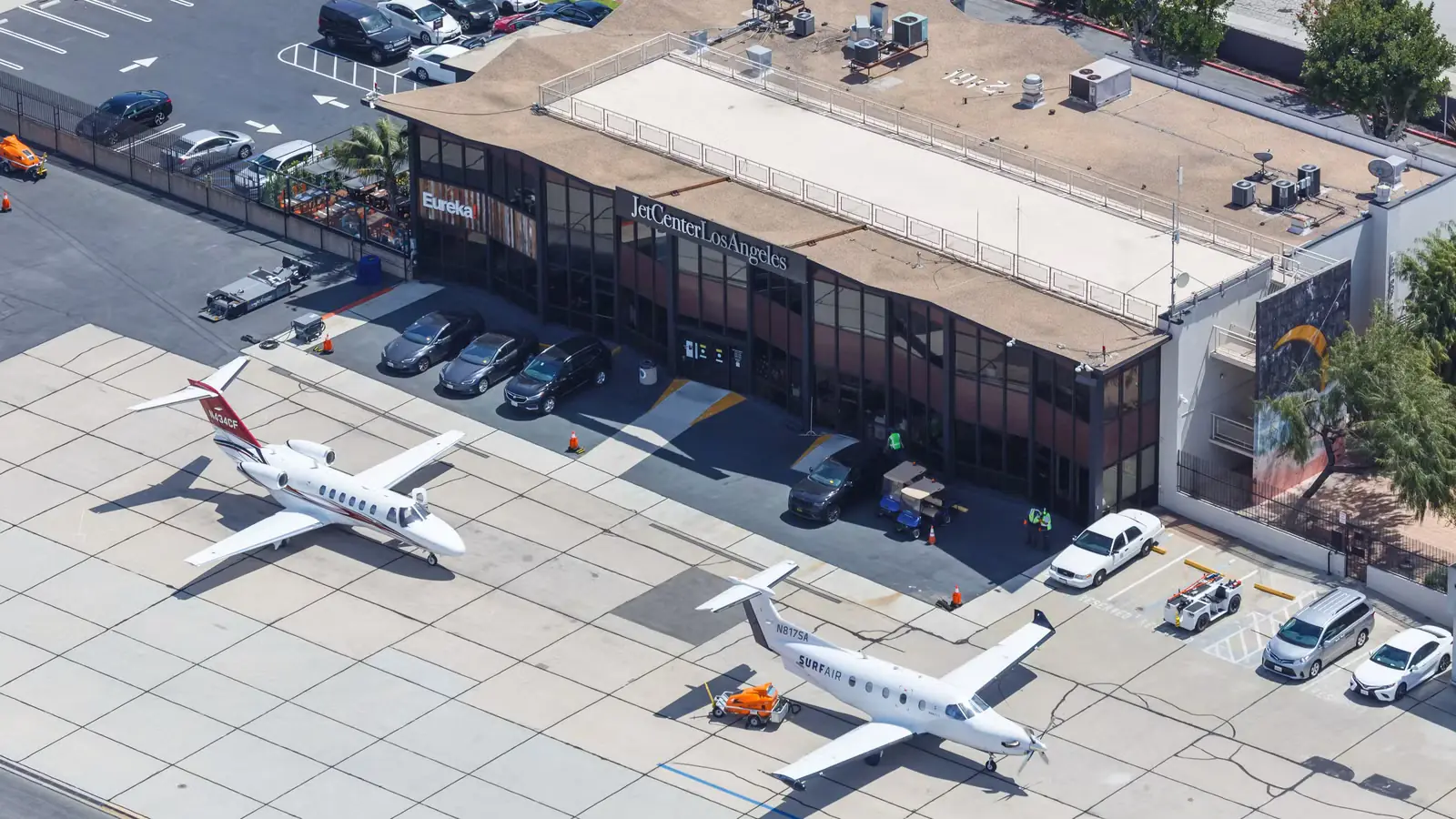
Best Private Jet Terminal Experiences in the US: Definitive Guide
Private aviation is frequently evaluated through aircraft cabin dimensions, cruising speeds, and non-stop range capabilities. However, ground infrastructure often determines actual travel efficiency and personal comfort. Fixed-Base Operators (FBOs) serve as critical land-to-air interfaces. Exceptional terminal design transforms a routine layover into an efficient operational workflow or a peaceful sanctuary.
Understanding what defines superior ground handling requires looking beyond surface-level aesthetics. Standard amenities like leather seating, espresso machines, and complimentary snacks are common in general aviation. Superior facility performance is defined by ramp efficiency, discreet security protocols, custom ground transportation integrations, and specialized flight crew support.
As flight volumes increase across congested metropolitan corridors, passenger expectations are shifting significantly. Discerning travelers now prioritize private ramp access, dedicated customs processing, and seamless vehicle-to-aircraft transfers over lavish public lounges. Evaluating these facilities demands a comprehensive look at physical architecture, operational precision, and specialized service delivery.
Understanding “best private jet terminal experiences in the us”
Identifying the best private jet terminal experiences in the us requires analyzing operational precision rather than interior decoration. Passengers often confuse plush terminal furniture with operational efficiency. A beautifully decorated lounge offers little value if baggage transfers are delayed or fuel trucks block ramp dispatch.
Operational Dimensions of High-Performing Terminals
Comprehensive facility assessments depend on three distinct operational pillars:
-
Speed and Throughput: Minimizing ground time from vehicle arrival to aircraft departure.
-
Privacy Infrastructure: Physical design features that protect passengers from public observation.
-
Crew Support Capabilities: Dedicated rest quarters, flight planning bays, and rapid turnaround services.
Many travelers assume that larger airports automatically provide the best private jet terminal experiences in the us. However, high commercial traffic at major international hubs often causes taxi delays and crowded airspace. Smaller regional airports often deliver faster, more personalized service.
Evaluating these facilities requires balancing luxury accommodations with technical execution. True service quality is reflected in seamless ground handoffs, precise fuel logistics, and proactive schedule adjustments during weather events.
Historical and Systemic Evolution of Ground Facilities
General aviation terminals originated as basic administrative huts beside unpaved airfields. Early fixed-base operators focused primarily on mechanical repairs, fuel storage, and basic weather reporting. Passenger comfort was rarely prioritized during the early decades of civil flight.
Post-WWII aviation growth led to cleaner separation between commercial airlines and private aircraft. As business jets emerged in the 1960s, executive flight departments demanded upgraded ground facilities. Simple waiting rooms were replaced by dedicated conference spaces and executive lounges.
Industry Consolidation Trends
The past two decades have seen significant consolidation across the general aviation industry. Major network operators acquired independent facilities, creating standardized national networks. While this consolidation improved service consistency, it sometimes reduced local customization.
Today, high-end private terminals function as multi-modal transportation hubs. Modern facilities incorporate advanced security systems, sustainable aviation fuel (SAF) infrastructure, and high-speed communications networks to meet modern business demands.
Conceptual Frameworks for Terminal Evaluation
To objectively evaluate ground facilities, three primary analytical frameworks can be applied across different flight profiles and passenger requirements.
1. Time-In-Motion Framework
This model measures the total elapsed seconds required to transition passengers from a ground vehicle into an aircraft cabin. Top-tier facilities streamline this process to under five minutes by coordinating ramp access, luggage transfers, and manifest verification in advance.
2. Privacy and Security Isolation Model
This model assesses physical infrastructure for high-profile passengers. It evaluates gated drive-in hangars, private screening suites, obscured sightlines, and secure perimeter controls.
3. Integrated Crew Rest and Logistics Model
Flight safety depends heavily on crew readiness. This framework evaluates pilot lounges, rest pods, flight planning facilities, and quick-turn refuel efficiency. A flight crew that receives fast turnaround service can operate more safely and efficiently.
Key Facility Categories and Operational Trade-Offs
Private terminals vary significantly based on airport size, geographical location, and ownership models. Choosing the right facility involves balancing proximity, speed, and privacy against cost and operating constraints.
| Facility Category | Primary Strengths | Inherent Limitations | Ideal Use Case |
| Urban Mega-Hub FBO | Extensive support services, fuel availability | High ramp congestion, longer taxi times | Large corporate flight departments |
| Boutique Regional FBO | Rapid turnarounds, highly personalized service | Limited hangar space, reduced maintenance | Regional point-to-point business travel |
| Private VIP Suite Terminals | Maximum security, complete isolation | Higher handling fees, advance notice required | High-profile figures, sensitive travel |
| Suburban Reliever Terminals | Lower costs, easy parking, fast highway access | Fewer ground transport options | Routine domestic business charters |
Real-World Decision Logic
Selecting among the best private jet terminal experiences in the us involves clear trade-offs:
-
Choose Urban Mega-Hubs when international customs clearing and extensive maintenance support are required.
-
Choose Boutique Regional Terminals when quick arrival, fast departures, and minimal air traffic delays are paramount.
-
Choose Private VIP Suites when security, privacy, and complete protection from public sightlines are required.
Detailed Real-World Operational Scenarios
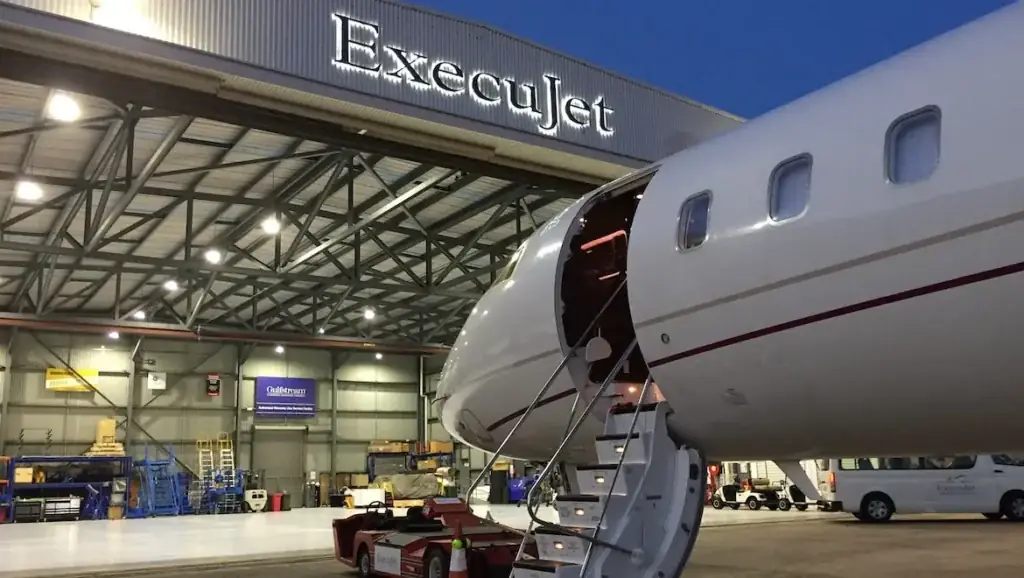
Scenario A: High-Security Executive Transport
A corporate board requires secure transport through a high-density metropolitan airport during peak morning hours.
-
Operational Constraint: Public visibility must be minimized while maintaining tight flight timing.
-
Execution Strategy: The terminal uses a gated hangar drive-through. Ground vehicles park inside the hangar beside the aircraft, allowing passengers to board without entering the main terminal lounge.
-
Second-Order Effect: Ramp space inside the hangar must be cleared in advance, increasing operational handling fees.
Scenario B: International Clearance and Rapid Departure
A long-range private jet arrives from Europe needing fast customs clearance before a domestic connection.
-
Execution Strategy: Pre-cleared passport manifests allow customs officers to process passengers in a private lounge or directly on the ramp.
-
Failure Mode: Incomplete passenger manifests can cause delays, requiring the aircraft to hold on the apron until cleared.
Planning, Cost Structure, and Resource Dynamics
Operating and utilizing top-tier private aviation facilities involves complex cost structures. Fees vary based on aircraft weight, fuel consumption, and dwell time.
Expense Categories and Variances
Understanding ground handling costs requires breaking down standard service fees:
-
Facility Ramp Fees: Waived or reduced when minimum fuel purchasing thresholds are met.
-
Hangar Overnight Rates: Higher in severe weather or high-density markets.
-
Infrastructure Fees: Charged by airport authorities for environmental compliance and security.
| Cost Element | Average Cost Range (USD) | Primary Cost Drivers |
| Ramp Handling Fee | $150 – $1,500+ per visit | Aircraft maximum takeoff weight (MTOW) |
| Overnight Hangarage | $300 – $3,000+ per night | Wingspan, cabin height, local climate |
| Infrastructure / Security Fee | $50 – $300 per landing | Local municipality fees, airport surcharge |
| International Handling | $250 – $1,000 per arrival | Customs officer overtime, administrative processing |
Support Systems, Tools, and Operational Strategies
Delivering the best private jet terminal experiences in the us relies on modern operational software and dedicated ground support equipment (GSE).
Essential Operational Systems
-
Advanced Fuel Hydrant Networks: Accelerates refuel times for large long-range aircraft.
-
Direct Ramp Vehicle Access: Allows pre-screened chauffeured cars directly onto the apron.
-
Real-Time Flight Tracking Systems: Coordinates line service crews for immediate aircraft arrival handling.
-
Electric Ground Support Equipment: Minimizes noise levels and emissions on the ramp.
-
Private Conference Facilities: Enables secure executive meetings directly inside the terminal.
-
Crew Sleep Quarters: Offers quiet rest spaces to manage crew fatigue safely.
Risk Landscape and Service Failure Modes
Ground operations face unpredictable weather, mechanical issues, and security challenges. Identifying vulnerabilities helps prevent travel disruptions.
Common Failure Points
-
De-icing Delays: Insufficient de-icing equipment can lock down operations during winter storms.
-
Ramp Overcrowding: Limited apron space forces aircraft to park far from the terminal, slowing down passenger boarding.
-
Miscoordinated Ground Transport: Chauffeurs arriving late force passengers to wait in public lounge spaces, compromising privacy.
Governance, Maintenance, and Operational Adaptation
Maintaining high service quality requires continuous oversight, strict safety compliance, and regular facility audits.
Operational Review Standards
Top-performing terminals follow rigorous audit schedules:
-
Daily Checks: Safety sweeps of ramp areas, ground power unit inspections, and fuel purity tests.
-
Monthly Reviews: Service response time tracking and crew feedback analysis.
-
Annual Audits: IS-BAH (International Standard for Business Aircraft Handling) safety compliance checks.
Checklist for Evaluating Terminal Quality
-
Direct plane-side vehicle access permissions verified
-
On-site Customs and Border Protection clearance options available
-
IS-BAH Stage II or Stage III safety certification held
-
Heated hangar space available for severe winter conditions
-
Dedicated pilot rest facilities separated from passenger lounges
Performance Tracking, Metrics, and Evaluation
Terminals evaluate efficiency using both quantitative timing data and qualitative passenger feedback.
Key Performance Indicators
-
Turnaround Speed: Elapsed time to refuel, restock, and service an aircraft.
-
Ramp Transfer Time: Minutes required to transfer luggage from car to cabin.
-
Customer Satisfaction Scores: Direct feedback from flight departments, pilots, and charter brokers.
Common Misconceptions and Oversimplifications
-
Myth 1: Luxury lounges mean better flight handling.
-
Correction: Interior lounge decor reflects capital spending, not operational performance or line service quality.
-
-
Myth 2: Larger terminals are always better.
-
Correction: Smaller regional facilities often deliver faster turnarounds and more direct ramp access.
-
-
Myth 3: Fuel prices are identical across all terminals.
-
Correction: Fuel prices vary widely based on airport fees, location, and regional supply networks.
-
-
Myth 4: Plane-side drive-up access is available everywhere.
-
Correction: Local airport security regulations often restrict or prohibit ground vehicles on the ramp.
-
-
Myth 5: All private terminals offer 24/7 operations.
-
Correction: Many facilities have strict nighttime curfews or require advance notice for late-night arrivals.
-
Ethical, Environmental, and Practical Considerations
Private aviation faces growing scrutiny over carbon emissions and environmental impact. Modern private terminals are responding by adopting sustainable practices.
Environmental Initiatives
Leading facilities now offer Sustainable Aviation Fuel (SAF), reducing lifecycle carbon emissions compared to standard Jet-A. Furthermore, operators are adopting electric ground power units, installing solar arrays on hangars, and implementing LEED-certified architecture to minimize operational environmental impacts.
Conclusion
Evaluating the best private jet terminal experiences in the us involves analyzing operational precision, privacy infrastructure, and line service quality. While luxurious lounges enhance comfort, ultimate value lies in time saved, seamless ground transport transfers, and high safety standards. Selecting the right facility requires matching trip requirements with airport capabilities, ensuring every journey is efficient, secure, and stress-free.