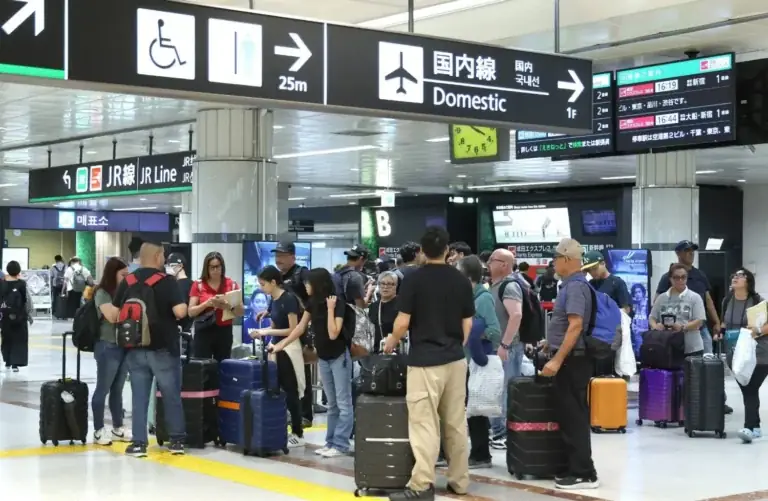
Managing Baggage Weight Restrictions: Comprehensive Packing Guide
Modern commercial air travel operates within strict physical and operational boundaries, where aircraft weight and balance directly determine fuel burn, payload capacity, and flight safety. Airlines enforce rigid baggage allowances across ticket classes to control operational overhead and maximize ancillary cargo revenues. Travelers encounter a complex network of weight rules that vary significantly between regional carriers, international long-haul operators, and low-cost airlines.
Navigating these regulations requires an understanding of how carriers calculate payload limits and enforce surcharges at check-in counters. A single overweight bag can trigger punitive airport fees that quickly exceed the initial cost of the flight ticket itself. The challenge grows when itineraries involve multiple carriers, code-share agreements, or intermodal transfers with differing luggage rules.
Managing payload successfully requires a systematic strategy rather than last-minute packing adjustments. Travellers must evaluate gear density, luggage tare weight, and packing mechanics before arriving at the airport. This article breaks down the technical frameworks, airline rules, and packing techniques needed to keep baggage within official weight limits.
Understanding “how to manage baggage weight restrictions”
Mastering how to manage baggage weight restrictions requires shifting from volumetric packing to density-based weight control. Most travelers pack based on visual space inside a suitcase, filling empty compartments until the zipper closes. This approach often leads to overweight bags, as dense items like footwear, toiletries, and electronics quickly push luggage past official weight thresholds.
A dense packing strategy treats every packed item as a specific mass unit that must justify its presence within a fixed weight budget. The overall weight of a packed bag depends heavily on the empty weight of the suitcase itself, known as tare weight. A heavy hardshell suitcase can take up 20% to 30% of a standard 23-kilogram (50-pound) checked bag allowance before a single piece of clothing is added.
Understanding these weight components allows travelers to distribute items strategically between carry-on luggage, checked bags, and worn clothing. This balanced approach prevents unexpected airport surcharges while preserving room for essential travel gear.
Deep Contextual Background: Evolution of Airline Payload Control
Commercial aviation historically managed passenger baggage through generous volumetric limits, offering flexible weight tolerances for long-haul passengers. Regulatory bodies and legacy airlines viewed baggage allowances as an included service bundled directly into primary ticket pricing models.
The rapid rise of low-cost carriers transformed how airlines handle baggage policies across global flight networks. Fuel price volatility forced operators to unbundle service fees and enforce precise weight caps to lower aircraft fuel burn. Modern self-service bag drops use digital scale sensors that enforce weight limits automatically, removing the human flexibility check-in agents once offered.
Conceptual Frameworks for Baggage Weight Optimization
Systematic weight control requires structured models that analyze gear mass, functional utility, and baggage limits.
1. The Mass-to-Utility Ratio (MUR) Framework
This analytical framework evaluates every packed item by dividing its total weight in grams by its functional value during the trip.
Items with high MUR values, like heavy footwear worn only once, should be swapped for lighter alternatives or eliminated entirely.
2. The Concentric Density Distribution Model
This physical packing model places heavy, dense items close to the suitcase wheels and center spine to keep the bag stable and easy to roll.
Organizing gear by density prevents soft bags from sagging and protects delicate items from being crushed by heavy footwear or electronics during handling.
Key Categories of Airline Baggage Policies
Navigating airline luggage rules requires understanding how different carriers enforce weight and size limits.
Airline Policy Comparison
Different carrier business models use distinct baggage allowances, enforcement rules, and fee structures.
Analyzing Carrier Rules
Full-service international airlines often include generous checked baggage allowances in standard fare tiers. Regional carriers, however, apply strict weight caps because their smaller aircraft have limited cargo hold capacity. Ultra-low-cost airlines charge high gate fees for over-weight carry-ons, making pre-flight weight management essential for budget travelers.
Detailed Real-World Scenarios and Packing Dynamics

Reviewing practical travel scenarios shows how gear selection and packing choices impact total baggage weight.
Scenario 1: The Multi-Climate Business Expedition
A business traveler must navigate winter weather and warm tropical conditions on a single international itinerary.
Primary Operational Constraints
Heavy winter boots, wool coats, and business attire quickly add weight, threatening to push bags past the 23-kilogram allowance on regional connections.
Practical Packing Adjustments
Wear heavy winter boots and bulky coats during transit instead of packing them in checked luggage. Use compression sacks for lightweight insulated layers, saving volume and keeping dense gear in carry-on bags within weight allowances.
Second-Order Operational Benefits
Wearing bulky garments during flight transfers reduces checked bag weight by up to 4 kilograms. This strategy creates a comfortable margin below strict airport check-in scale thresholds.
Scenario 2: Professional Photography Equipment Transport
A media producer carries heavy camera gear, lenses, and tripods along with personal luggage on low-cost regional flights.
-
Initial Conditions: The total gear weight exceeds regional carry-on caps, while fragile camera bodies cannot go into standard checked baggage holds.
-
Decision Point: The traveler separates sensitive camera bodies into a personal item bag and packs durable accessories like tripods into checked luggage.
-
Failure Mode Avoided: Placing heavy gear into a single hard case causes the bag to exceed carry-on limits, triggering forced gate-checking of fragile equipment.
Planning, Cost, and Resource Dynamics
Managing baggage weight requires balancing equipment costs against potential airline overweight fees.
Financial Expense Breakdown
The financial impact of managing baggage weight involves weighing gear costs against excess luggage surcharges over multiple trips.
Gear Investment Analysis
Upgrading to lightweight luggage and compact travel gear reduces packing weight and avoids recurring airline excess baggage charges.
Tools, Strategies, and Weight Control Systems
Effective baggage management relies on accurate measurement tools, lightweight travel gear, and structured packing routines.
Essential Weight Management Tools
-
Digital Hanging Luggage Scale: A portable scale that measures suitcase weight before heading to the airport, avoiding check-in surprises.
-
Ultra-Lightweight Luggage: Suitcases made from high-strength polycarbonate or ripstop nylon that minimize frame weight without sacrificing durability.
-
Compression Gear Sacks: Compact sacks that compress bulky items like jackets to maximize space in carry-on bags.
-
Wearable Pocket Vests: Functional jackets with large pockets designed to carry heavy electronics and accessories through gate weight checks.
-
Compact Travel Toiletries: Refillable silicone containers that limit liquids to needed amounts, cutting down on unnecessary fluid weight.
Risk Landscape and Oversized Luggage Failure Modes
Unplanned baggage weight issues create cascading delays, financial penalties, and logistical challenges across busy flight itineraries.
Critical Baggage Risk Drivers
Understanding common baggage management mistakes helps prevent costly check-in disruptions and gear handling issues:
-
Overlooking Regional Carrier Limits: Assuming international long-haul checked bag allowances apply to smaller regional connecting flights.
-
Ignoring Luggage Frame Weight: Packing gear in heavy vintage or thick hardshell suitcases that consume too much of the weight allowance.
-
Mixing Heavy Gear and Fragile Items: Packing heavy shoes alongside delicate electronics, risking damage during automated baggage sorting.
Governance, Travel Maintenance, and Packing Adjustments
Maintaining weight control across long itineraries requires pre-flight checks, packing frameworks, and regular equipment reviews.
Measurement, Tracking, and Weight Metrics
Tracking baggage mass data helps refine packing habits over time, ensuring consistent compliance with airline weight limits.
Weight Tracking Classifications
Evaluating travel gear metrics involves tracking leading indicators like equipment tare mass alongside lagging indicators like airport fees.
Common Misconceptions and Packing Myths
Myth 1: Wearable Gear Vests Are Always Rejected at Airport Security
Correction: Security officers inspect personal clothing for safety hazards rather than weight limits. Wearing a functional pocket jacket carrying heavy gadgets through security is fully permitted under TSA rules, provided all items go through X-ray screening.
Myth 2: Hardshell Suitcases Protect Gear Better Without Adding Weight
Correction: Cheap hardshell suitcases made from ABS plastic often weigh more than high-grade softside nylon bags. High-end polycarbonate models provide strength, but heavy zipper hardware can easily consume valuable weight allowance.
Myth 3: Premium Ticket Classes Eliminate All Baggage Weight Rules
Correction: Business and First Class tickets offer higher weight caps, often 32 kilograms (70 pounds) per bag, but these limits remain firm. Airport baggage handlers follow strict safety rules, and bags over 32 kilograms must be re-packed regardless of ticket tier.
Ethical, Practical, and Environmental Considerations
Managing baggage weight effectively offers operational benefits that go beyond avoiding airport excess fees.
Keeping baggage weight under control offers meaningful real-world benefits:
-
Fuel Efficiency: Lower overall cargo weight reduces fuel burn and total aircraft emissions on long-haul flights.
-
Worker Safety: Reasonable bag weights lower the risk of manual handling injuries for airport ground crews.
-
Transit Mobility: Lightweight luggage makes navigating train stations, stairs, and cobblestone city streets simple and hassle-free.
Conclusion: Strategic Balance in Personal Travel Logistics
Successfully managing baggage weight restrictions requires treating packing as a controlled balance between gear utility and physical weight limits. Unplanned check-in expenses rarely stem from a single heavy item; they build up through heavy luggage frames, dense footwear, and unmeasured accessories.
Using lightweight gear, measuring bag weight early, and understanding airline limits keeps travel seamless and affordable. Balancing gear density with smart packing strategies ensures your luggage stays compliant, stress-free, and ready for any journey.